


Tathālokā Therī
September 26, 2026

#BuddhistHeritage #furtherlearning "Who were 'the Courageous 500'?" Founding Mothers of the Bhikkhuni Sangha #HerStoryOurStory | Special Anniversary post
#BinaraPoya/ #Bhadrapurnima #internationalbhikkhuniday #BhikkhuniSangha #FoundingMothers #uposathaday
Today's Bhaddapāda Puṇṇamī September Full Moon Uposatha is remembered in Sri Lanka and around the world as the Founding Anniversary of the Buddha's Bhikkhuni Sangha and the Fulfillment of his Founding Vision Statement to have a Fourfold Sangha of Disciples, Accomplished & Capable, in whom his Sāsana - Teaching & Dispensation - were invested.
❔ But who were the 'courageous 500'?
❔ Do we know their names?
- beyond that of leading founding mother Venerable Arahatī Therī Mahāpajāpatī Gotamī
Their verses are preserved in the Therīgāthā.
Their stories are preserved and told in the Pāli-text "Paramatthadīpanī" Therīgāthā Aṭṭhakathā
IMPORTANT NOTE FOR DISCERNMENT
The existence of their stories attests to an alternate history of the membership, awakening, and parinibbāna of the Arahantīs of the Founding Bhikkhunī Sangha, distinct from and different from that passed down in the Nandakovāda Suttaṁ.*
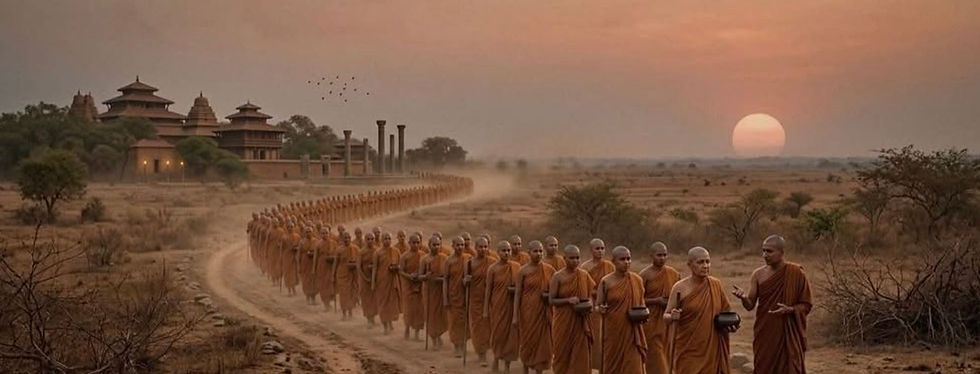
"Thirteen Therī Gāthās of the Founding Mothers of the Bhikkhunī Sangha from Kapilavastu"
1. Tissā Therī (who attained arahatship while a sikkhamānā)
2. Another Bhikkhunī Tissā Therī...
3. Bhikkhunī Dhīrā Therī...
4. ...Vīrā...
5. ...Mittā...
6. ...Bhadrā...
7. ...Upasamā...
All members of the Sakyan royal family born in Kapilavastu who, 'having come of age,' became ladies of the Bodhisatta's intimate household (Pāli: orodha, Skt: avarodha).
They went forth together from Kapilavastu with Mahāpajāpatī Gotamī as their leader: "mahāpajāpatigotamiyā saddhiṃ nikkhamitvā pabbajitvā."
They attained arahatship in Vesālī (Vaishali), most via the Buddha's direct teaching to them. In the case of both the elder Tissā and the younger Tissā, Dhīrā, Vīrā, Mittā and Bhadrā, they all attained arahatship through the Buddha's short and personal radiant teaching verses to them, which they repeat in their Therī gāthās, after their complete awakening. However, in the case of Therī Upasamā, she attained awakening through the Buddha's previous teachings, and her diligent followup cultivation of Vipassana insight.
— see Therīgāthā verses 4-10
8. Bhikkhunī Visākhā Therī
9. ...Sumanā...
10. ...Uttarā...
Their stories are said to be very much in line with the elder Tissā Therī and Dhīrā Therī above.
— Therīgāthā verses 13-15
11. Bhikkhunī Sanghā Therī
Her story is said to be very much like that of Dhīrā Therī above.
— Therīgāthā verse 18
12. Aññatarā (Vaḍḍhesī) Therī
Mahāpajāpatī Gotamī's nurse from Devadaha who raised her, went forth together with MPG from Kapilavastu, and after 25 years of striving to no avail, heard Dhamma from Therī Dhammadinnā, and within a short time attained to arahanta
— Therīgāthā 38 (5.1 = first in the chapter of five verses)
13. Bhikkhunī Mahāpajāpatī Gotamī Therī
I hope you know her story.
— Therīgāthā 55 (6.6 = sixth in the chapter of six verses)
A recap of the list of thirteen founding arahant theris whose verses are recorded in the Therīgāthā (in order of length of verses from short to long), the commentary to which records them by name as having gone forth from Kapilvattu together with (and including) Mahāpajāpatī Gotamī (as their leader):
1. Tissā (the younger)
2. Aññatarā (another) Tissā (the elder)
3. Dhīrā
4. Vīrā
5. Mittā
6. Bhadrā
7. Upasamā
8. Visākhā
9. Sumanā
10. Uttarā
11. Sanghā
12. Aññatarā (Vaḍḍhesī)
13. Mahāpajāpatī Gotamī
Yes, this is another - and different - list of Thirteen Eminent Arahant Therīs. It is the founders list.
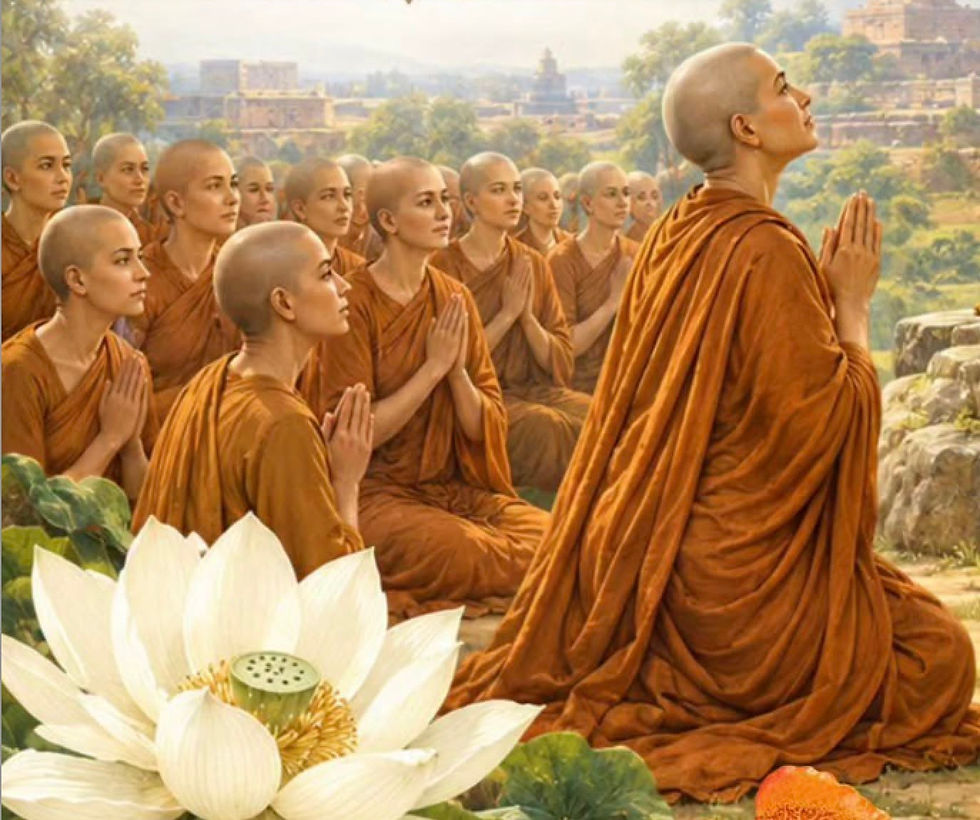
Additional to Mahāpajāpatī Gotamī and her long-time nurse, eleven were Sakyan royals who were former members of the Bodhisatta's intimate inner circle (orodha). Noting, none are remembered as the former wives of the 500 Sakyan bhikkhus from Kapilavastu and Koliya who had gone forth not long prior after the dispute over water rights on the river Rohini. None are are recorded as from Koliya - accept Mahāpajāpatī Gotamī herself, her very elderly nurse, and Rāhulamātā Yasodharā, who's natal homeland was the Koliyan capital of Devadaha.
Then, wherefore the 500?
Or, is it 513?
The references to there having been 500 women companions of Mahāpajāpatī Gotamī in going forth comes from the intro to the Paramatthadīpanī, and from the Mahāpajāpatī Gotamī Therī Apadāna quoted in the Paramatthadīpanī as below, and the commentary to it:
‘‘Mama puttobhinikkhamma, buddho āsi vināyako;
Pacchāhaṃ pabbajitvāna, satehi saha pañcahi.
“My son renounced the world and became the Buddha, the Leader. Later, I too went forth, with five hundred women."
"...kese chindāpetvā kāsāyāni acchādetvā kalahavivādasuttantadesanāpariyosāne (su. ni. 868 ādayo) nikkhamitvā pabbajitānaṃ pañcannaṃ sakyakumārasatānaṃ pādaparicārikāhi saddhiṃ vesāliṃ gantvā...
...pabbajjañca upasampadañca paṭilabhi. Itarā pana sabbāpi ekatoupasampannā ahesuṃ."
"...having had her hair cut off and having donned the ochre robes, she departed at the conclusion of the discourse on the Kalahavivāda Suttanta (Snp 4.11). Together with the 'the women who had served at the feet' (an expression for 'wives') of the five hundred Sakyan princes who had gone forth, she went to Vesālī...
...She then received both the going-forth and the full ordination...(AN 8.51; Cv 10.1). The other women all received 'full ordination on one side' [by the Bhikkhu Sangha per the Buddha's instructions] at the same time."
"Tathā satthuladdhūpasampadā saṅghato laddhūpasampadāti duvidhā. Garudhammapaṭiggahaṇamhi laddhūpasampadā mahāpajāpatigotamī satthusantikāva laddhūpasampadattā satthuladdhūpasampadā nāma. Sesā sabbāpi saṅghato laddhūpasampadā. Tāpi ekatoupasampannā ubhatoupasampannāti duvidhā. Tattha yā tā mahāpajāpatigotamiyā saddhiṃ nikkhantā pañcasatā sākiyāniyo, tā ekatoupasampannā bhikkhusaṅghato eva laddhūpasampadattā mahāpajāpatigotamiṃ ṭhapetvā."
"They are also of two kinds: those who received higher ordination from the Teacher and those who received it from the Sangha. Mahāpajāpatī Gotamī, having received higher ordination by accepting the weighty rules in the Teacher's presence, is called one who received higher ordination from the Teacher. All the others received higher ordination from the Sangha. These, too, are of two kinds: those ordained in one Sangha and those ordained in both Sanghas. Among them, the five hundred Sākiyan women who went forth with Mahāpajāpatī Gotamī—except for Mahāpajāpatī Gotamī herself—are called 'ordained in one Sangha,' as they received higher ordination from the Bhikkhu Sangha alone."
As well as, in the introduction as the beginning of our Paramatthadīpanī text:
"Athāparena samayena satthari vesāliṃ upanissāya kūṭāgārasālāyaṃ viharante suddhodanamahārājā setacchattassa heṭṭhāva arahattaṃ sacchikatvā parinibbāyi. Atha mahāpajāpatiyā gotamiyā pabbajjāya cittaṃ uppajji, tato rohinīnadītīre kalahavivādasuttantadesanāya (su. ni. 868 ādayo) pariyosāne nikkhamitvā, pabbajitānaṃ pañcannaṃ kumārasatānaṃ pādaparicārikā ekajjhāsayāva hutvā mahāpajāpatiyā santikaṃ gantvā, sabbāva ‘‘satthu santike pabbajissāmā’’ti mahāpajāpatiṃ jeṭṭhikaṃ katvā satthu santikaṃ gantukāmā ahesuṃ."
"At another time, when the Teacher was dwelling near Vesālī in the Kūṭāgāra Hall, King Suddhodana, having realized arahantship beneath a white parasol, passed into final nibbāna. Then Mahāpajāpatī Gotamī conceived the desire to go forth. Then, at the conclusion of the teaching of the Kalahavivāda Sutta (Sn 868ff.) on the bank of the Rohinī River, the wives of the five hundred princes who had gone forth left their homes. Being of one mind, they approached Mahāpajāpatī. They all said, "We will go forth in the presence of the Teacher," and making Mahāpajāpatī their leader, they wished to go to the Teacher."
Noting, in the Therīgāthā itself, the "Verses of the 500 Therīs" (the Pañcasatamattātherīgāthā) appears first in the collected chapter of gāthās of six verses, and refers to the grateful students of Paṭācārā Therī, rather than of Mahāpajāpatī Gotamī.
Sukkā Therī is also recorded in our Paramatthadīpanī text as having 500 bhikkhunī followers in Rājagaha (Rajgir).
"Arahattaṃ pana patvā pañcasatabhikkhuniparivārā mahādhammakathikā ahosi. Sā ekadivasaṃ rājagahe piṇḍāya caritvā katabhattakiccā bhikkhunupassayaṃ pavisitvā sannisinnāya mahatiyā parisāya madhubhaṇḍaṃ pīḷetvā sumadhuraṃ pāyentī viya amatena abhisiñcantī viya dhammaṃ deseti. Parisā cassā dhammakathaṃ ohitasotā avikkhittacittā sakkaccaṃ suṇāti."
"Having attained arahantship, she became a great preacher of the Dhamma, with a retinue of five hundred bhikkhunīs. One day, after going for alms in Rājagaha and completing her meal, she entered the bhikkhunīs’ residence. Seated amidst a large assembly, she taught the Dhamma as if squeezing a honeycomb and serving its sweet liquid, as if anointing them with the deathless. The assembly listened to her Dhamma talk with attentive ears and undistracted minds, respectfully."
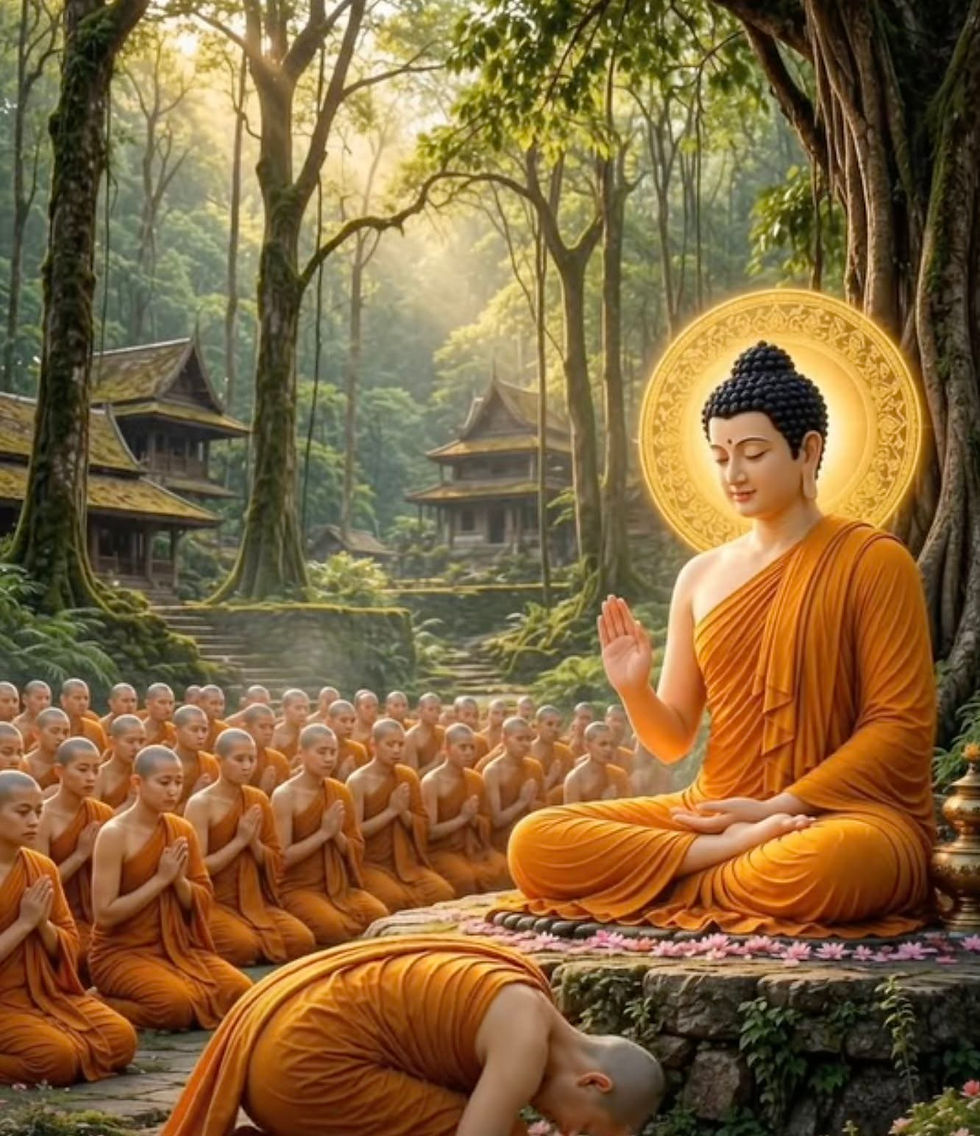
Addendum
on the 'First Wave' - the 'Second Wave' - and 'Third Wave'
"More Royal Sakyan Women from Kapilavastu Who *Later* Went Forth and Ordained in the Bhikkhuni Sangha"
Those Sakyan royal women with Therīgāthā verses recorded as having gone forth later from Kapilavastu in the Parmatthadīpanī (Therīgāthā Commentary) include princess Abhirūpanandā, another Mittā, and princess Sundarīnandā.
The Parmatthadīpanī, as other commentaries, in the commentary to Sundarīnandā's verses also records the going forth of Rāhulamātā Yasodharā in the 'second wave' - after Mahāpajāpatī Gotamī's 'first wave' company, and before the going forth of Mahāpajāpatī Gotamī's daughter, the Buddha's younger half-sister, Sundarīnandā (Nandā), in what might be called the 'third wave'.
❁ Abhirūpanandā (Nandātissā) Sikkhamānā
Daughter of the chief queen of Khemaka the Sakyan, who was encouraged to go forth after her Sakyan prince betrothed, the Buddha's half-brother, Mahāpajāpatī's son prince Nanda, was drawn away by the Buddha on their wedding day, and then ordained. Although aiming to avoid the teachings, with the Buddha's intervention, she attained to arahatship on her seventh day as a bhikkhunī.
— Therīgāthā 19 (2.1)
❁ Another Mittā Therī
Sakyan royal family, a diligent observer of the Uposatha, who went forth later from Kapilavastu and ordained with Mahāpajāpatī Gotamī: "Sā aparabhāge mahāpajāpatigotamiyā santike pabbajitvā."
— Therīgāthā 25 (2.7)
❁ Sundarīnandā (Nandā) Therī
Daughter of Mahāpajāpatī Gotamī and Suddhodana, the Buddha's half sister, went forth out of affection for her relatives who had all gone forth encouraged by MPG, attained arahatship through the Buddha's direct intervention and display of the impermanence and decay of the physical body - she attained stream entry and then arahatship while standing in the Buddha's presence, foremost in jhāna)
— Therīgāthā 41 (5.4)
Making out total of named bhikkhunī arahantīs with verses in the Therīgāthā who are recorded as having gone forth from Kapilavastu: a total of *16*.
*At the beginning of the Paramatthadīpanī it is said:
"Evaṃ upasampannā pana mahāpajāpati satthāraṃ upasaṅkamitvā abhivādetvā ekamantaṃ aṭṭhāsi. Athassā satthā dhammaṃ desesi. Sā satthu santike kammaṭṭhānaṃ gahetvā arahattaṃ pāpuṇi. Sesā ca pañcasatabhikkhuniyo nandakovādapariyosāne (ma. ni. 3.398) arahattaṃ pāpuṇiṃsu."
"Thus having received the higher ordination, Mahāpajāpatī approached the Teacher, paid homage to him, and stood to one side. Then the Teacher taught her the Dhamma. She received a meditation subject from the Teacher and attained arahantship. The remaining five hundred bhikkhunīs also attained arahantship at the conclusion of Nandaka’s discourse (MN 3.398)"
Our Paramatthadīpanī Pāli text concludes its introduction with:
"Evaṃ bhikkhunisaṅghe suppatiṭṭhite puthubhūte tattha tattha gāmanigamajanapadarājadhānīsu kulitthiyo kulasuṇhāyo kulakumārikāyo buddhasubuddhataṃ dhammasudhammataṃ saṅghasuppaṭipattitañca sutvā, sāsane abhippasannā saṃsāre ca jātasaṃvegā attano sāmike mātāpitaro ñātake ca anujānāpetvā, sāsane uraṃ datvā pabbajiṃsu. Pabbajitvā ca sīlācārasampannā satthuno ca tesaṃ therānañca santike ovādaṃ labhitvā ghaṭentiyo vāyamantiyo nacirasseva arahattaṃ sacchākaṃsu. Tāhi udānādivasena tattha tattha bhāsitā [Pg.5] gāthā pacchā saṅgītikārakehi ekajjhaṃ katvā ekakanipātādivasena saṅgītiṃ āropayiṃsu ‘‘imā therīgāthā nāmā’’ti."
"Thus, when the Bhikkhunī Sangha was well established and widespread in various villages, towns, countries, and royal capitals, women of good families—wives, daughters-in-law, and maidens—heard of the Buddha’s supreme enlightenment, the Dhamma’s perfect teaching, and the Sangha’s good conduct. Filled with faith in the teaching and a sense of urgency about saṃsāra, they sought permission from their husbands, parents, and relatives, devoted themselves to the teaching, and went forth. After going forth, accomplished in virtue and conduct, they received advice from the Teacher and those elders. Striving and exerting themselves, they soon realized arahantship. Their verses, spoken on various occasions as inspired utterances, were later gathered by the reciters into a single collection, and, arranged by way of chapters beginning with the Single Verses chapter, were formally compiled as ‘These are the Verses of the Therīs’ - the Therīgāthā."
Evaṁ 🙏
✍️ Tathālokā Therī
in the vassāvase at Dhammadharini's Aranya Bodhi forest hermitage, 26th September 2026 Bhaddapāda Full Moon Uposatha, 2610th Founding Anniversary of the Bhikkhuni Sangha (per classical Theravāda counting) and 16th International Bhikkhuni Day
Postscript
Finding something interesting reading the Pāli-text Manorathapūraṇiyā, which is the Aṅguttaranikā Aṭṭhakathā (the Commentary to the Numerical Discourses of the Buddha) in the life story of Nandaka Thera, who was known for his good Dhamma teaching abilities, and who is credited, in the Nandakovāda Sutta, with leading many, if not 499, of the 'Courageous 500' to arahatship.
Here the story is told of the going forth of the 500 Sakyan Bhikkhus from Kapilavastu and Koliya follow the dispute among the Sakyans over water rights on the river Rohini during a year of drought. I've placed stars around the place the text caught my eye, as it is told a little differently than in the Pāli-text Paramatthadīpanī which i've quoted from in my post -
"When he [Nandaka] came of age, he heard the Teacher’s teaching, gained faith, and went forth in the Teacher’s presence. Developing insight, he attained arahatship and became a master of the knowledge of past lives. When the fourfold community gathered, he was known as Nandaka the Dhamma-speaker, for he could captivate the minds of everyone while speaking.
"Meanwhile, the Tathāgata, after the dispute over the Rohiṇī River, ordained five hundred Sakyan princes. When discontent arose among them, he took those bhikkhus to Lake Kuṇāla and, knowing their agitation, taught them the Kuṇāla Jātaka (Jā. 2.21). Through a discourse on the Four Noble Truths, he established them in the fruit of stream-entry. Later, he expounded the Mahāsamaya Sutta (Dī. Ni. 2.331 ff.), leading them to the supreme fruit of arahatship.
"Those Bhikkhus’ former companions (partners, wives), thinking, "What shall we do here now?" all with one mind approached Mahāpajāpatī, requesting to go forth. They too, those five hundred women, received the going forth and full ordination ✨in the presence of the elder nuns✨ (???). In the immediately preceding birth, all of them had been women who served at the feet (that is, wives, consorts or attendants) of Nandaka Thera when he was a prince."
"...imasmiṃ buddhuppāde sāvatthiyaṃ kulagehe paṭisandhiṃ gahetvā vayappatto satthu dhammadesanaṃ sutvā paṭiladdhasaddho satthu santike pabbajitvā vipassanaṃ vaḍḍhetvā arahattaṃ pāpuṇi, pubbenivāsañāṇe ca ciṇṇavasī ahosi. So catūsu parisāsu sampattāsu ‘‘sabbesaṃyeva manaṃ gahetvā kathetuṃ sakkotī’’ti dhammakathikanandako nāma jāto.
"Tathāgatopi kho rohiṇīnadītīre cumbaṭakakalahe nikkhamitvā pabbajitānaṃ pañcannaṃ sākiyakumārasatānaṃ anabhiratiyā uppannāya te bhikkhū ādāya kuṇāladahaṃ gantvā kuṇālajātakakathāya (jā. 2.21.kuṇālajātaka) nesaṃ saṃviggabhāvaṃ ñatvā catusaccakathaṃ kathetvā sotāpattiphale patiṭṭhāpesi. Aparabhāge mahāsamayasuttaṃ (dī. ni. 2.331 ādayo) kathetvā aggaphalaṃ arahattaṃ pāpesi.
"Tesaṃ therānaṃ purāṇadutiyikā ‘‘amhe dāni idha kiṃ karissāmā’’ti vatvā sabbāva ekacittā [Pg.243] hutvā mahāpajāpatiṃ upasaṅkamitvā pabbajjaṃ yāciṃsu. Tāpi pañcasatā ✨theriyā santike✨ pabbajjañca upasampadañca labhiṃsu. (???) Atītānantarāya pana jātiyā sabbāva tā nandakattherassa rājaputtabhāve ṭhitassa pādaparicārikā ahesuṃ."
The story above continues up to the arahatship of the 500 bhikkhunīs as below. Noting that here, all 500 attain to arahatship, on the fifteenth day of the fortnight (this would be either the full moon Puṇṇamī Uposatha day of the fifteenth (pannaraso), or the new moon Amāvasī Uposatha day of the fifteenth).
"At that time, the Teacher said, "Let the bhikkhus instruct the bhikkhunīs." When his turn came, the elder, knowing that in a former existence they had been 'those who honored his feet' (that is, his wives, concubines, or harem), thought: "If, while I am sitting in the midst of this assembly of bhikkhunīs and giving a discourse with similes and reasons, another bhikkhu who has attained knowledge of past lives sees this, he might observe this situation and think it fit to say, 'Venerable Nandaka does not dismiss his harem (Pāli: orodha, Sk. avarodha) all day long; this venerable one looks splendid surrounded by his harem.'"
"Therefore, he did not go himself but sent another bhikkhu. But those five hundred bhikkhunīs were expecting instruction from [Nandaka] Thera himself. For this reason, the Blessed One said to the elder, "When your turn comes, do not send another; go yourself and instruct the assembly of bhikkhunīs." Unable to refuse the Teacher’s words, when his turn came on the fourteenth day of the fortnight, he gave instruction to the assembly of bhikkhunīs. Through his Dhamma discourse adorned with the six sense bases, he established all those bhikkhunīs in the fruit of stream-entry."
(continued below)
"Tena samayena satthā ‘‘bhikkhū bhikkhuniyo ovadantū’’ti āha. Thero attano vāre sampatte tāsaṃ purimabhave attano pādaparicārikabhāvaṃ ñatvā cintesi – ‘‘maṃ imassa bhikkhunīsaṅghassa majjhe nisinnaṃ upamāyo ca kāraṇāni ca āharitvā dhammaṃ kathayamānaṃ disvā añño pubbenivāsañāṇalābhī bhikkhu imaṃ kāraṇaṃ oloketvā ‘āyasmā nandako yāvajjadivasā orodhe na vissajjeti, sobhatāyamāyasmā orodhaparivuto’ti vattabbaṃ maññeyyā’’ti.
"Tasmā sayaṃ agantvā aññaṃ bhikkhuṃ pesesi. Tā pana pañcasatā bhikkhuniyo therasseva ovādaṃ paccāsīsanti. Iminā kāraṇena bhagavā ‘‘attano vāre sampatte aññaṃ apesetvā sayameva gantvā bhikkhunīsaṅghaṃ ovadāhī’’ti theraṃ āha. So satthu kathaṃ paṭibāhituṃ asakkonto attano vāre sampatte cātuddase bhikkhunisaṅghassa ovādaṃ datvā sabbāva tā bhikkhuniyo saḷāyatanapaṭimaṇḍitāya dhammadesanāya sotāpattiphale patiṭṭhāpesi."
"The bhikkhunīs, delighted by [Nandaka] Thera’s Dhamma teaching, went to the Teacher and reported their own realized qualities. The Teacher, reflecting, “While listening to which Dhamma teaching would these bhikkhunīs attain the higher paths and fruits?” and seeing, “Having heard that very Dhamma teaching of Nandaka, these five hundred will attain arahantship,” sent them again the next day to the elder’s presence to listen to the Dhamma.
"On the next day, having heard the Dhamma, they all attained arahantship. On that day, when the bhikkhunīs came into the Blessed One’s presence, knowing the Dhamma teaching had been fruitful, he said, “Yesterday, Nandaka’s Dhamma teaching was like the moon on the fourteenth day; today, it is like the moon on the fifteenth day.” Having given his approval to the elder, and making that very matter the occasion, he placed the thera in the foremost position among those who instruct the bhikkhunīs."
"Tā bhikkhuniyo therassa dhammadesanāya attamanā hutvā satthu santikaṃ gantvā attano paṭividdhaguṇaṃ ārocesuṃ. Satthā ‘‘kasmiṃ nu kho dhammaṃ desente imā bhikkhuniyo uparimaggaphalāni pāpuṇeyyu’’nti āvajjento puna ‘‘taṃyeva nandakassa dhammadesanaṃ sutvā pañcasatāpi etā arahattaṃ pāpuṇissantī’’ti disvā punadivasepi therasseva santikaṃ dhammassavanatthāya pesesi.
"Tā punadivase dhammaṃ sutvā sabbāva arahattaṃ pattā. Taṃdivasaṃ bhagavā tāsaṃ bhikkhunīnaṃ attano santikaṃ āgatakāle dhammadesanāya saphalabhāvaṃ ñatvā ‘‘hiyyo nandakassa dhammadesanā cātuddasiyaṃ candasadisī ahosi, ajja pannarasiyaṃ candasadisī’’ti vatvā therassa sādhukāraṃ datvā tadeva ca kāraṇaṃ aṭṭhuppattiṃ katvā theraṃ bhikkhunovādakānaṃ aggaṭṭhāne ṭhapesīti."
. . .
Noting, none of the thirteen bhikkhunī arahatī therīs from Kapilavastu whose verses are recorded in the Therīgāthā, and whose life stories are told in the Paramatthadīpanī Therīgāthā Commentary, report attaining either stream entry or arahatship through the Venerable Nandaka Thero's teachings.
. . .
How is this story told in the Manorathapūraṇiyā - the Aṅguttaranikāya Aṭṭhakathā (the Commentary to the Numerical Discourses of the Buddha) in the life story of Mahāpajāpatī Gotamī?
"At one time, the Teacher was dwelling in the Kūṭāgāra Hall near Vesālī. At that time, King Suddhodana, having realized arahantship under the white parasol, had attained Parinibbāna. Then Mahāpajāpatī Gotamī conceived the desire to go forth. Subsequently, at the conclusion of the Kalahavivāda Sutta on the bank of the Rohiṇī River, all the female attendants of the five hundred princes who had already gone forth became of one mind, thinking: 'Let us all go to Mahāpajāpatī and then go forth in the presence of the Teacher.' Making Mahāpajāpatī their leader, they became desirous of going forth in the Teacher's presence.
"And this Mahāpajāpatī, having once before requested the going forth from the Teacher and not obtained it, therefore summoned a barber, had her hair cut, donned ochre robes, and taking all those Sākyan women, went to Vesālī. Having had the Venerable Ānanda make the request to the one of Ten Powers [the Buddha], she obtained both the going forth and the higher ordination by accepting the eight dhammas of respect. The other women were all given the higher ordination by the single procedure [by the Bhikkhu Sangha]. This is the summary here; in detail, this story is found in the Pāli Canon."
"Satthā aparena samayena vesāliṃ upanissāya kūṭāgārasālāyaṃ viharati. Tasmiṃ samaye suddhodanamahārājā setacchattassa heṭṭhā arahattaṃ sacchikatvā parinibbāyi. Tadā mahāpajāpatigotamī pabbajjāya cittaṃ uppādesi. Tato rohiṇīnadītīre kalahavivādasuttapariyosāne (su. ni. 868 ādayo) nikkhamitvā pabbajitānaṃ pañcannaṃ kumārasatānaṃ pādaparicārikā sabbāva ekacittā hutvā ‘‘mahāpajāpatiyā santikaṃ gantvā sabbāva satthu santike pabbajissāmā’’ti mahāpajāpatiṃ jeṭṭhikaṃ katvā satthu santikaṃ gantvā pabbajitukāmā ahesuṃ.
"Ayañca mahāpajāpati paṭhamameva ekavāraṃ satthāraṃ pabbajjaṃ yācamānā nālattha, tasmā kappakaṃ pakkosāpetvā kese chinnāpetvā kāsāyāni acchādetvā sabbā tā sākiyāniyo ādāya vesāliṃ [Pg.264] gantvā ānandattherena dasabalaṃ yācāpetvā aṭṭhahi garudhammehi pabbajjañca upasampadañca alattha. Itarā pana sabbāpi ekatova upasampannā ahesuṃ. Ayamettha saṅkhepo, vitthārato panetaṃ vatthu pāḷiyaṃ (cūḷava. 402 ādayo) āgatameva."
(continued below)
"Thus having received the higher ordination, Mahāpajāpatī approached the Teacher, paid homage to him, and stood to one side. Then the Teacher taught her the Dhamma. She received a kammaṭṭhāna meditation subject from the Teacher and attained arahantship. The remaining five hundred bhikkhunīs attained arahantship at the conclusion of the Nandakovāda Sutta. Thus this story arose. Later, the Teacher, seated in Jetavana, while assigning stations among the bhikkhunīs, placed Mahāpajāpatī foremost among those of long standing (rattaññūnaṃ) [as both the first bhikkhunī and first female arahantī]."
"Evaṃ upasampannā pana mahāpajāpati satthāraṃ upasaṅkamitvā abhivādetvā ekamantaṃ aṭṭhāsi, athassā satthā dhammaṃ desesi. Sā satthu santike kammaṭṭhānaṃ gahetvā arahattaṃ pāpuṇi. Sesā pañcasatā bhikkhuniyo nandakovādasuttapariyosāne (ma. ni. 3.398 ādayo) arahattaṃ pāpuṇiṃsu. Evametaṃ vatthu samuṭṭhitaṃ. Aparabhāge satthā jetavane nisinno bhikkhuniyo ṭhānantare ṭhapento mahāpajāpatiṃ rattaññūnaṃ aggaṭṭhāne ṭhapesīti."
- Manorathapūraṇi (Commentary on the Aṅguttara Nikāya Numerical Discourses of the Buddha)
🖼 🎨Image Credits
AI painting images are from 2026 Binara Poya and Bhadra Purnima Bhikkhuni Sangha Founding Anniversary posts here on Facebook:
1. credit to Malindu Adhikari
2. credit to Dhamma Light
3. credit to Ayye Sakya Dhammadinna
4. credit to SriNews.ai's article post "Blood, Dust and Defiance: How a Grieving Queen's Barefoot March Rewrote Buddhist History" https://srinews.ai/article/carkhb1uf9bfmozblavos31u
(I would like to change the title to Blood, Dust and Devotion: How a Stream-Enterer Queen's Barefoot March Rewrote Buddhist History" 😇)


